
Embarking on the entrepreneurial journey of running a small business is both thrilling and daunting. One crucial aspect that often gets overshadowed by the excitement of growth is securing the right insurance. Understanding and obtaining affordable small business insurance options can be a game-changer in safeguarding your hard-earned efforts.
Imagine having peace of mind knowing that your business is protected from unforeseen events without breaking the bank. By delving into the world of small business insurance, you not only protect your investment but also ensure sustainability and resilience in an ever-changing market landscape. Let’s explore how you can find the most cost-effective and tailored insurance solutions for your business sector.
Understanding Small Business Insurance
Navigating the world of small business insurance can be daunting, but it’s essential for safeguarding your dreams. Let’s break it down and explore the key elements.
Small business insurance encompasses various policies that cater to the unique needs of businesses, ensuring protection from potential risks and liabilities. From safeguarding assets to covering legal costs, understanding these policies is crucial for every entrepreneur.
Types of Small Business Insurance Policies
There are several types of insurance that small businesses should consider to adequately protect themselves. The most common types include:
- General Liability Insurance: This policy covers legal issues related to accidents, injuries, and claims of negligence.
- Commercial Property Insurance: Protects the physical assets of your business, including buildings, equipment, and inventory.
- Workers’ Compensation Insurance: Provides medical benefits and wage replacement to employees injured on the job.
- Professional Liability Insurance: Also known as errors and omissions insurance, it covers claims related to professional mistakes or failures to perform.
- Business Owner’s Policy (BOP): A bundled package that includes various insurance types, typically general liability and property insurance, tailored for small businesses.
The Importance of Insurance for Small Businesses
Insurance isn’t just a safety net—it’s a strategic investment in your business’s longevity. Without adequate coverage, a single incident could spell disaster. Protection is power, and having the right policies in place can mean the difference between recovery and ruin.
“Having insurance is like having a superhero on standby—ready to swoop in and save the day when things go awry.”
With comprehensive insurance, small business owners can focus on growth and innovation without the constant worry of unforeseen setbacks. It not only covers costs but also brings peace of mind.
Common Misconceptions about Small Business Insurance
Many entrepreneurs hold misconceptions about insurance, which can lead to being underinsured or paying for unnecessary policies. Let’s debunk some of these myths:
| Misconception | Reality |
|---|---|
| Insurance is too expensive for small businesses. | There are affordable options designed specifically for small businesses, balancing cost and coverage. |
| If you work from home, you don’t need business insurance. | Your homeowner’s insurance often won’t cover business-related losses or liabilities. |
| Small businesses don’t face significant risks. | Every business, regardless of size, faces potential liabilities that insurance can help mitigate. |
Understanding the truth about small business insurance can empower you to make informed decisions that fortify your business against unforeseen challenges.
Cost-Effective Insurance Strategies
When it comes to safeguarding your small business, finding the right insurance can be a daunting task. However, implementing cost-effective insurance strategies can provide peace of mind without breaking the bank.
Smart entrepreneurs recognize the importance of balancing coverage and cost. By adopting savvy strategies, you can protect your business assets while managing your budget effectively.
Methods to Reduce Insurance Costs
One of the most powerful ways to reduce insurance costs is by consolidating your coverage with a single provider. Bundling different types of insurance can often lead to significant discounts. Additionally, regularly reviewing your policy and comparing rates from multiple insurers can ensure you’re getting the best deal.
- Raise your deductibles to lower premium costs
- Implement safety programs to minimize risk
- Maintain a good credit score to secure better rates
Determining the Right Amount of Coverage
Understanding your specific business needs is crucial in determining the appropriate level of coverage. Start by evaluating the potential risks your business faces and assess the value of your assets. This way, you can ensure you are neither over-insured nor under-insured.
“The right coverage is not about having more, but having what you need.”
- Consider the industry-specific risks
- Account for the number of employees and business assets
- Consult with an insurance advisor for tailored advice
Insurance Options Organized by Industry Needs
Different industries have unique insurance requirements. Here’s a simple breakdown to help you identify what might be necessary for your business sector:
| Industry | Essential Insurance Options |
|---|---|
| Retail | General Liability, Property Insurance |
| Technology | Professional Liability, Cyber Security Insurance |
| Food Services | Commercial Auto, Workers’ Compensation |
| Construction | Builders Risk, Equipment Insurance |
Comparing Affordable Insurance Providers
Choosing the right insurance provider is crucial for small business owners seeking affordable and reliable coverage. With numerous options available, understanding the benefits and drawbacks of various providers is key to making an informed decision.
Each insurance company offers unique features, and it is essential to evaluate these carefully. Factors such as coverage options, customer service, and premium costs can significantly impact your business’s financial health.
Benefits and Drawbacks of Various Insurance Providers
When comparing insurance providers, it’s important to identify what each offers beyond just the price. Some providers might offer comprehensive coverage but have higher premiums, while others might be more affordable but with limited options. Consider the following:
- Coverage Options: Does the provider offer customizable plans that suit your business needs?
- Customer Service: Is the provider known for responsive and helpful customer service?
- Claim Process: How efficient is the claims process? Quick and hassle-free claims can be a lifesaver.
- Financial Stability: A financially stable provider ensures they can pay out claims whenever necessary.
Factors to Consider When Choosing an Insurance Provider
Beyond the basic features, other considerations should guide your choice of an insurance provider. Consider long-term stability and the potential for premium increases. It’s crucial to balance between affordable short-term costs and sustainable long-term value.
Look at the company’s reviews and ratings from other small businesses. A provider that understands small businesses is more likely to offer tailored solutions that better fit your operational needs. Do not forget to assess:
- Reputation and Reviews: What do other small business owners say about their experiences?
- Flexibility in Plans: Can you adjust your policy as your business grows?
- Additional Perks: Are there any extra services or discounts offered?
Top Affordable Insurance Companies
Here’s a comparison table of some top affordable insurance providers, highlighting their benefits and average premium costs. This table will help you make a side-by-side comparison to find the best fit for your business.
| Insurance Company | Benefits | Average Premium |
|---|---|---|
| Company A | Comprehensive coverage, excellent customer service | $500/year |
| Company B | Affordable plans, flexible policy options | $400/year |
| Company C | Quick claims process, industry-specific packages | $450/year |
| Company D | Discounts for multiple policies, strong financial stability | $480/year |
Tailoring Insurance to Business Needs
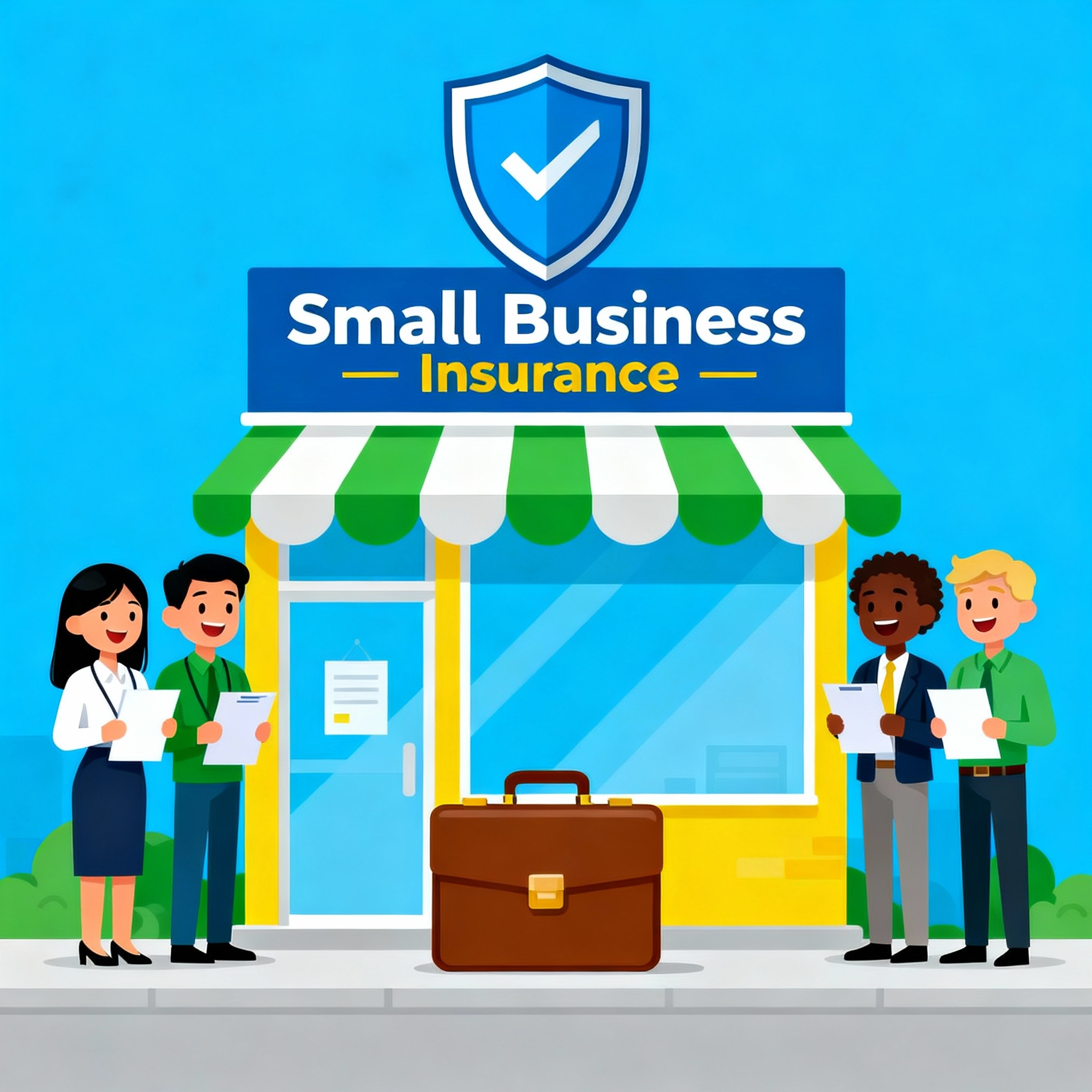
Finding the right insurance for your business is not just about the lowest premiums—it’s about ensuring your protection fits like a glove. Tailoring insurance to the unique contours of your business can safeguard against industry-specific risks and provide peace of mind.
Customizing your insurance plan means more than just picking a policy off the shelf. It involves understanding the nuances of your industry and aligning your coverage with your specific operational needs. This targeted approach not only optimizes your protection but also maximizes cost-effectiveness.
Customizing Plans for Specific Sectors
Every business sector has its own sets of challenges and risks, which are crucial to consider while selecting an insurance plan. Whether you operate a tech startup, a retail store, or a construction company, each requires a different set of coverages. For instance, a tech company might prioritize cyber liability insurance, while a construction firm might need a robust general liability insurance to cover potential on-site accidents.
Examples of Common Endorsements and Riders
Enhancements like endorsements and riders offer tailored protection by expanding the core insurance policy. An endorsement might cover unique risks such as natural disasters, which are particularly important for businesses in certain geographic areas. Similarly, business interruption riders help cover lost income if operations are halted unexpectedly. These additions ensure your business is not left vulnerable due to traditional policy limitations.
Assessing Risk to Choose Suitable Coverage
Identifying your business’s potential risks is the cornerstone of selecting the right insurance coverage. Start with a comprehensive risk assessment, evaluating everything from operational hazards to financial liabilities. Consider consulting with insurance professionals who can provide insights into typical industry risks and help you determine the necessary coverage. This strategic approach enables you to construct a safety net that is as unique as your business.
Legal Considerations and Compliance
When it comes to small business insurance, understanding the legal landscape is crucial. Navigating the maze of regulations and compliance requirements can seem daunting, but it is a necessary step to ensure your business is protected and operating within the law.
Each region has its own set of legal requirements for small business insurance, which can significantly impact your insurance choices. Staying informed and compliant not only safeguards your business but also builds trust with clients and partners.
Identifying Regional Legal Requirements
In different regions, small businesses must adhere to distinct insurance mandates. For instance, in many U.S. states, workers’ compensation insurance is mandatory for businesses with employees. Understanding these legal necessities can prevent potential lawsuits and financial penalties. It’s essential to consult with a knowledgeable legal advisor who can help you identify the specific insurance requirements based on your business location and industry.
Addressing Compliance Issues
Compliance with insurance laws isn’t just about ticking boxes; it’s about actively protecting your business from risks. To address compliance issues effectively, small business owners should:
- Conduct regular audits to ensure all insurance policies meet current legal standards.
- Maintain meticulous records of all insurance-related documents.
- Engage with an insurance broker who understands regulatory nuances in your specific region.
By taking these steps, businesses can avoid compliance pitfalls that could lead to costly fines or operational disruptions.
Impact of Regulatory Changes
The regulatory environment for business insurance is dynamic and ever-changing. New laws can alter what types of insurance are necessary and how they should be implemented.
“Staying ahead of regulatory changes is not just about compliance; it’s about strategic advantage.”
Small businesses should keep abreast of upcoming legislative changes by subscribing to industry newsletters, attending relevant workshops, and engaging with professional networks. By doing so, they can adapt swiftly and leverage these changes to enhance their business resilience.
Summary
In conclusion, navigating the realm of small business insurance doesn’t have to be overwhelming. By understanding the types of coverage available, comparing providers, and tailoring policies to your specific needs, you can secure affordable protection that keeps your business thriving. Don’t let misconceptions hold you back; empower your business with the right insurance strategy today and ensure a bright future ahead.

